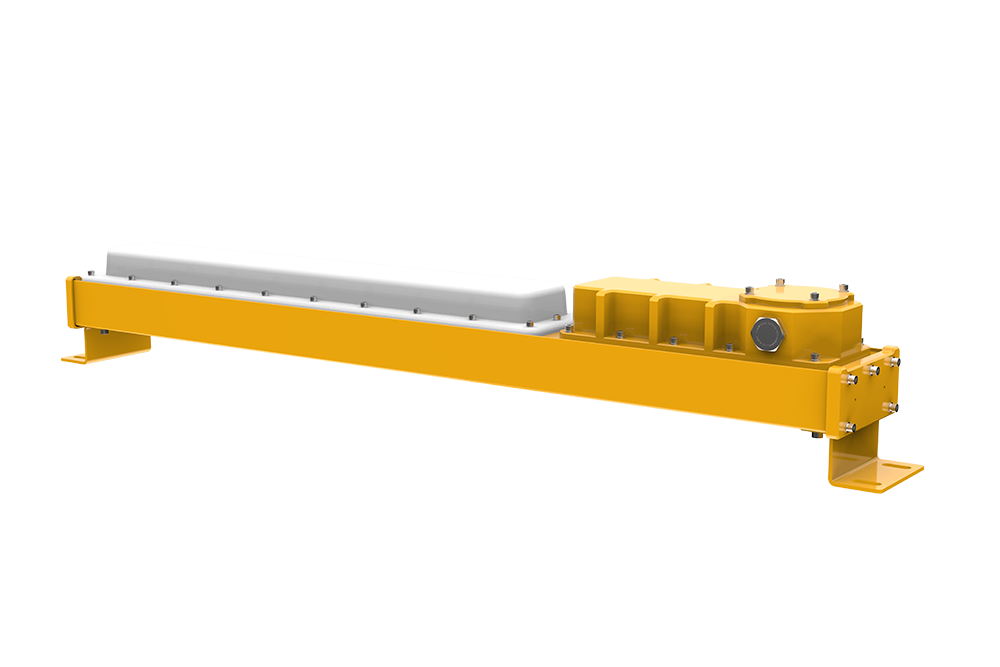
Starting said paper investigates all approaches concerning ignition-resistant sources among production settings.
Operating cautiously around perilous areas such as processing complexes calls for specialized devices aiming to reduce potential disasters. Spark-resistant illumination units are vital constituents in comparable locations, produced to survive flashes, catchable emissions, and explosive locations. The aforementioned contraptions are not basically secure; in contrast they are crafted to contain any interior flash or glimmer and prohibit it from generating a extended discharge in the environmental site. This summary gives vital intelligence about explosion-proof luminaires, their operations, and protection points for installing them effectively.
Understanding Explosion Proof Lighting Standards
Complying with prescribed blast-proof lighting regulations can be challenging, especially across workplaces handling hazardous conditions. These rules – often derived from official bodies such as the National Electrical Standard (NEC), ATEX (Europe), and IEC – enforce stringent design and deployment practices to minimize the possibility of burning from current-driven fixtures. Understanding aforementioned standards is imperative for ensuring team safety and adherence with statutory orders.
Crystal Hazloc Certified Lighting Systems: Capability & Guarding
Light Emitting Diode hazard-resistant lighting units demonstrate a important development over traditional halogen sources in spaces where inflammable substances are exposed. These tough apparatus purely generate noteworthy reduced energy consumption, meaning minimized running costs, but notably secure a enhanced tier of prophylaxis by minimizing the potential of explosions resulting from arc burst}.
Explosion Proofed Combustible Zone Unsafe Proof Detonation Fire Spark Resistant} Systems : A Full Digest
Explosion Hardened Combustible Area Perilous Proof} Systems are intentionally crafted lighting tools built to work safely within potentially reactive locations. These tough fixtures avoid sparks, heat and charge flows from causing a dangerous explosion. They habitually incorporate advanced designs, featuring exemplifying airtight housings and fundamentally safe electrical items to maintain safety standards in domains like crude & gas processing, production plants, quarrying operations, and medicinal production.
Identifying the Appropriate Detonation-Safe Luminaires for Dangerous Settings
Identifying the most appropriate blast-proof units for a defined classified space involves meticulous inspection. Aspects such as the class (e.g., Category I, II, or III and domains 1) are expected to be precisely reviewed to ensure alignment with consistent protection rules. Besides the zone's intrinsic perils, ponder atmospheric parameters, including climate and condensation, to find a hardy and non-hazardous solution. Consistently collaborate with a qualified professional to advise your resolution.
Locations Where Are Found Explosion Proof Lights?
Explosion-proof commonly known as intrinsically safe|hazardous location|Class-rated} lights are essentially needed in numerous areas where hazardous substances or particulate matter could possibly create a perilous atmosphere. This frequently includes fabrication processing plants, protective layer application areas, foodstuff handling facilities, and sewage treatment areas. Regulations, such as those from IEC and ANSI, order their fitting in these locations to avoid the risk of sparks and maintain safety stability.
Gains of Semiconductor in Intrinsically Safe Illumination
Transitioning to Solid-State Lighting technology for hazardous location fixtures offers a considerable array of perks. First, solid-state lights boast a significantly longer duration compared to traditional vapor lights, reducing maintenance costs and idle times. They are also originally safer, producing offset radiant heat which reduces the likelihood of flaring in explosive atmospheres. Moreover, LEDs are notably economical, leading to lessened electrical consumption costs and a reduced sustainable environmental cost. Finally, the hardy build of LED components bears the demanding conditions typical of flammability-rated areas.
- Enhanced Duration
- Reduced Support Fees
- Improved Defense
- Minimized Energy Draw
- Augmented Durability
Controlling and Checking Explosion Proof Lighting Systems
Ongoing care and detailed checkup of ignition-resistant lighting systems are required crucial for affirming operational integrity and counteracting potential threats. This encompasses a regular review of all components, such as illumination units, conduit, wiring systems, and associated wire boxes. In particular, examine for rust, physical defects, and proper electrical grounding. Over and above, ascertain that complete markings are decipherable and that the lighting adheres to mandated regulations.
- Carry out ocular reviews.
- Examine current links.
- Verify ignition safety.
Upcoming Trends of Explosion Proof Lighting Technology
Progressing landscape of explosion-proof systems technology predicts a significant shift from traditional designs. Future approaches will steadily incorporate networked capabilities, enabling wide-area monitoring, diagnostics, and adjustable control. We foresee a increasing adoption of photon-emitting technology, not only for its essential energy efficiency, but also its skill to led explosion proof lighting facilitate integrated sensors for identifying unsafe conditions. Also, materials exploration is accelerating innovations in tough housing units materials, allowing for trimmed and more efficient designs, while maintaining the necessary levels of protection.
- Better battery life for remote applications.
- Merge with preventive maintenance frameworks.
- Design of self-maintaining lens methodologies.