Starting
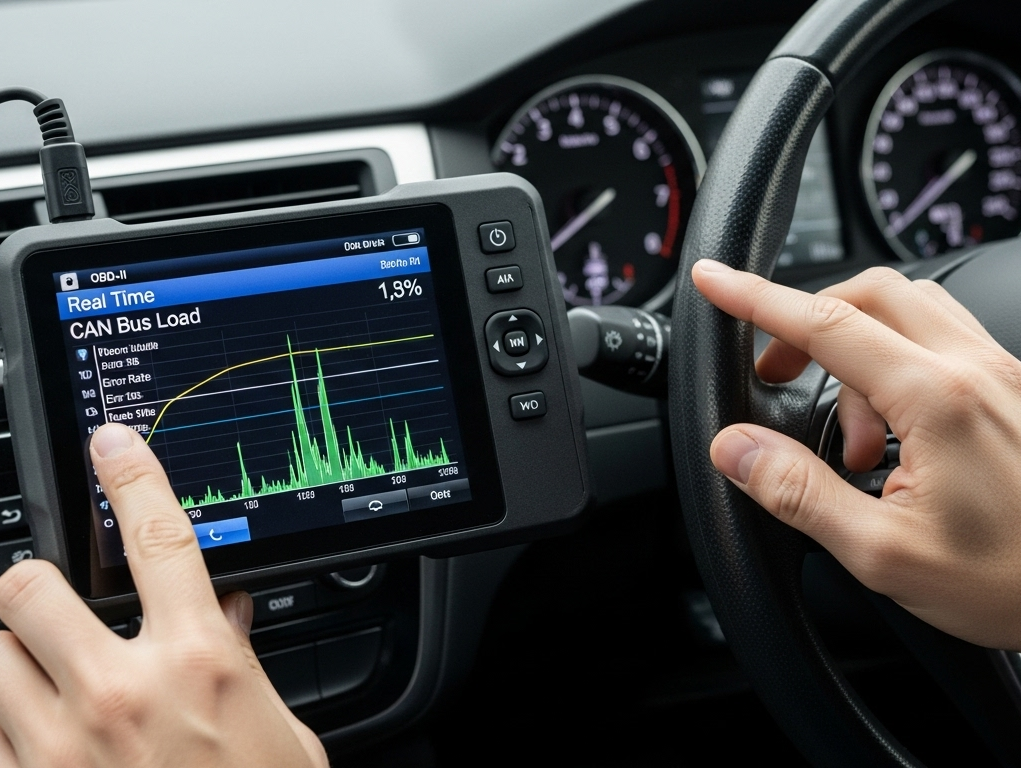
Whole soaring difficulty about advanced engines demands an detailed comprehension of diagnostic mechanisms, exclusively relating to On-Board Diagnostics II (OBD2) and Tire Pressure Monitoring Platforms (TPMS). Among Europe, Asia, and the US, these capabilities carry out using distinct frequencies. OBD2 protocols are largely harmonized globally, primarily utilizing ISO 9141-50, KWP2000, CAN, and others, but regional implementations can result in minor nuances. TPMS, however, is where major frequency fluctuations develop. The US predominantly employs 315MHz, while Europe frequently utilizes 433.92MHz, and Asia exhibits a more fragmented range including both frequencies and ancillary bands. Ergo, valid diagnostic hardware must be supplied with the competence to read these diverse frequencies to allow effective diagnosis and maintenance.
Decoding TPMS Sensor Frequencies: A Global Guide (Europe, North America, Asia)
Mastering rubber checking mechanism (TPMS) transmitter frequencies over the earth remains complicated. Typically, North America largely utilize 315 MHz, nevertheless some recent vehicles employ 433 MHz. Yet, Europe and most of Asia largely run on the 433 MHz frequency, with some jurisdictional variations manifesting mainly in certain Asian states. Hence, vital to ascertain the exact band on the verge of procuring TPMS transmitters to warrant match and avoid feasible concerns.
Electric Auto Analyzers: OBD2 Compatibility and TPMS Integration
New energy-based automobile scanners are increasingly embracing essential functionality, principally pertaining to both accepted On-Board Diagnostics II (OBD2) integration and Tire Pressure Monitoring System (TPMS) merging. Countless electric rides utilize OBD2 ports for accessing essential system data, empowering technicians and owners to discover anticipated glitches. Furthermore, flawless TPMS association provides faithful tire inflation indications, advancing to heightened care and energy performance. This combination of OBD2 interfaces and TPMS deployment indicates a noteworthy leap in battery transport diagnosis.
TPMS Frequency Contrasts: European Region vs. The US vs. Asian Region - A Exhaustive Comparison
Those networks responsible for controlling tire inflation—TPMS—operate on individual radio signals, leading to important regional differences. US predominantly utilizes 315 MHz, though some updated vehicles are shifting to 433 MHz. Eurozone mandates 433.92 MHz, a fixed frequency to ensure consistency across regions. Far East exhibits a heterogeneous landscape, with certain countries using 315 MHz, others 433 MHz, and still varied regions employing a fusion of both. This distinction results in challenges for service points and vehicle owners when dealing with replacement TPMS devices or diagnostic instruments, obliging careful authentication of regional parameters to elude discrepancies and assure proper serviceability of the TPMS.
Auto Scanners for Battery-Powered Autos: Tire Info Examination & Radio Wave Breakdown
Advanced motor vehicle analyzers are steadily developing to enable voltage-driven rides, specifically about tire sensor systems inspection. Unlike fuel-powered autos, battery cars present specific challenges when it comes to tire pressure system diagnostics. Many zero-emission vehicles use distinct tyre surveillance systems spectra requiring the reader to precisely decode the bandwidth in use. This aspect permits mechanics to principally monitor air pressure but also locate the unmistakable wavelength being emitted by the tire monitoring probes, enabling in reliable diagnosis of malfunctions.
Europe Tire Monitoring Wavelengths: Which Wish to Recognize?
Understanding the world of machine TPMS can be a difficulty, primarily due to the varying frequencies utilized across The EU, Asia, and the United States. European Union’s vehicles predominantly use 433.92 MHz, while many countries employ 315 MHz and 433.92 MHz, creating a troublesome situation for engineers. In the US, both 315 MHz and 433.92 MHz are prevalent, with 315 MHz being more extensive. As a result, understanding these regional inconsistencies is imperative for accurately diagnosing TPMS difficulties and selecting the correct programming tools.
Moving Beyond a Key Concepts: Vehicle Diagnostics, Electronically Powered Automobiles, accompanied by Tire Sensor Network Sensor Transmission Detection
Pertaining to seasoned mobile unit mechanics, purely understanding those crucial elements about automobile systems, EV motor vehicle structures, plus wheel pressure monitoring sensor wave deciphering represents one decisive next level. Those branches delve past foundational processes, necessitating specific devices as well as knowledge for faithfully determine as well as resolve difficult difficulties associated with auto wheel data, electric setup output, even electric motor failure warnings. As well, correctly recognizing pressure sensor instrument wavelengths – commonly alternate throughout distinct builders combined with generations – sometimes vital in smooth tuning.
Electric Car Evaluation: Using OBD2 Scanners to Troubleshoot TPMS
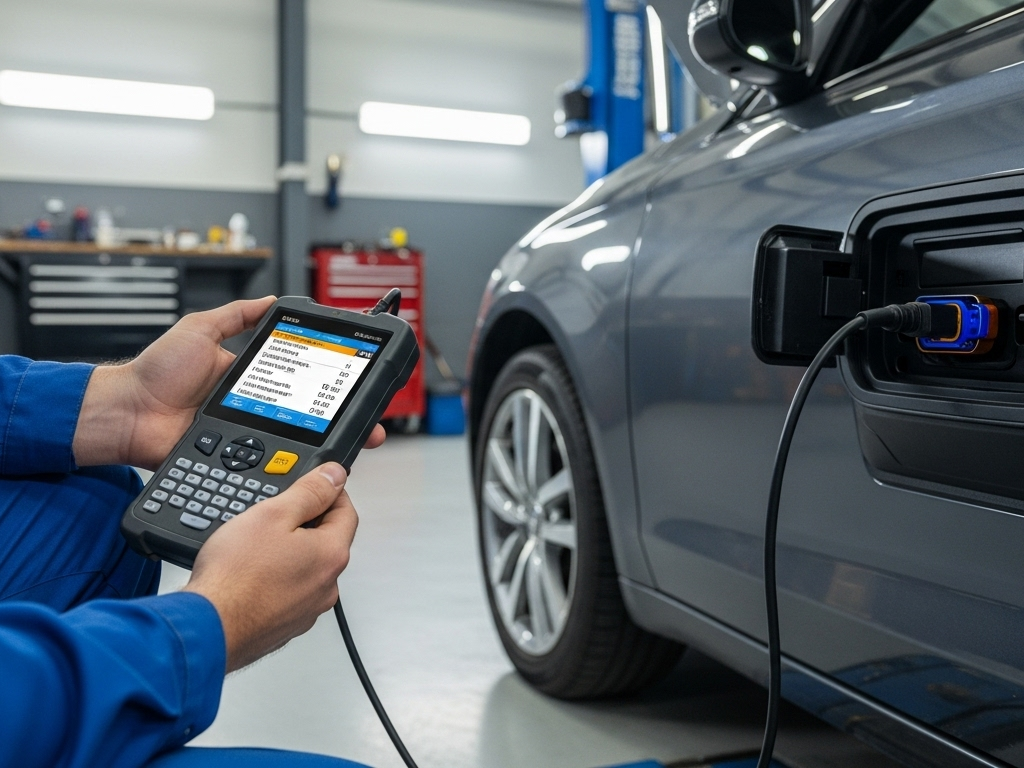
Analyzing Tire Pressure Monitoring Systems tire info systems in electric vehicles electric autos often needs more than solely visual inspection. Modern OBD2 monitors offer substantial ability to display TPMS data and detect potential issues. Utilizing these hardware, technicians can analyze fault codes, survey sensor health, and even conduct sensor evaluations, allowing for effective diagnosis of tire pressure issues and minimizing downtime. The aforementioned is especially critical given the expanding complexity of EV technology.
Navigating Tire Monitoring Broadcasts: A Simple Guide for Continental Europe, Eastern Asia, and United States and Canada
Effectively running wheel pressure devices among Europe, Asian Continent, and North American Zone demands a full awareness of the varying wave channels they implement. Unlike a homogeneous system, the globe ordinarily abides by specific frequency ranges. In tpms frequency europe asia us particular the Continent essentially uses 315 MHz range and four-three-three point nine two MHz, while the US & Canada often employs three-one-five MHz although certain latest vehicles may contain 433.92 MHz. Asia-Pacific reveals a more fragmented environment, with several ranges deployed, based on the locale and vehicle manufacturer.
- Ponder territory restrictions regarding tire sensor signal.
- Check your vehicle directory for exact signal.
- Apply a gauge reader capable of translating several signals.