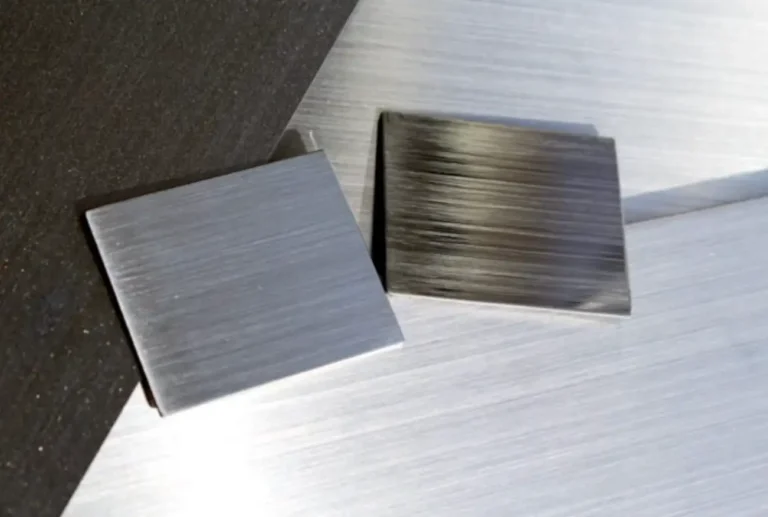
Starting our detailed assessment on automated equipment engineered dedicated to burr elimination represent innovated construction methods, granting considerable progress across tempo and excellence. Our overview explores the distinct types of equipment, containing scouring polishing equipment, rotary mechanisms, and progressive computer-controlled systems. We will cover the upsides of integrating these solutions, comprising lessened employment costs, raised manufacturing precision, and upgraded manufacturing efficiency.
Border Polishing Machines: Exact Finalizing Outlined
Edge chamfering apparatuses offer a state-of-the-art solution for achieving accurate completion on materials. Beyond manual methods, these computerized apparatuses supply reliable benefits and significantly enhance assembly performance. The machines generally implement various cutting implements like carbide rotors, buffing rotors, or bespoke configurations to cut away sharp borders and defects. These kinds of method is fundamental in a ample set of markets, containing vehicle and instrumentation.- Refine covering texture
- Decrease assembly fees
- Raise productivity and competence
Byproduct Disposal Devices: Securing Flawless, Excellent Finishes
State-of-the-art foundry activities regularly produce significant amounts of contaminants, a byproduct that, if neglected, can severely harm the finish of the production. Fortunately, advanced waste disposal devices offer a robust solution. These dedicated machines, employing techniques like scraping, are designed to exhaustively eliminate this unwanted material, ensuring a spotless and superior surface. The resulting enhancements include minimized rejection rates, better aesthetic appeal, and an overall escalation in manufacturing speed. By utilizing innovative slag removal technology, manufacturers can consistently deliver exceptional surfaces and comply with stringent industry standards.
Sheet Metal Finishing: The Benefits of Deburring Mechanisms
Securing a leading coating on sheet metal parts is imperative for functionality, and deburring tools provide important improvements over non-automated methods. Clearing burrs expeditiously not only boosts the appearance quality of the piece, but also obviates likely complications during processing and functioning. In addition, self-regulating deburring techniques strengthen production pacedness and minimize human fees.
Optimizing Sheet Metal Production with Automatic Deburring
With the aim to elevate output in sheet metal processing, consider computerized deburring tools. Traditional deburring is commonly demanding and prone to irregularities. Utilizing automatic deburring delivers notable positives, such as decreased employee charges, improved product excellence, and expanded industrial efficiency. This outlays are likely to immediately yield returns.Choosing the Optimal Deburring Tool for Your Endeavor
Determining the most suitable deburring equipment for your distinct needs necessitates a precise assessment of several features. First, consider the nature of medium you're managing – titanium requires particular techniques than carbon fiber. Later on, reflect upon the size and geometry of the components needing surface cleaning. In conclusion, analyze your fabrication quantity; a heavy-duty operation commands a distinct type of equipment than a limited one. Overlooking to take into consideration these factors could produce unsatisfactory results and additional charges.
Edge System Technology: Directions and Advances
Recent edge refining instrument application is subject to rapid progress, spurred by the required for higher precision and output in processes procedures. Major directions include the melding of programmable tools for adaptable deburring activities, alongside innovations in surface treatment process. We're likewise detecting a surge in portable refining machines suited for localized processes, and fresh techniques like mechanical finishing are receiving support. The vision points towards expanded networking of deburring tools within the integrated operation atmosphere.
Improving Composite Component Strength with Rim Polishing
Many fabricating processes for aluminum parts introduce sharp edges, which can generate stress concentrations and deficiencies that degrade overall robustness. Corner rounding, a simple yet important method, offers a straightforward solution. It necessitates slightly rounding the severe edges of a part during the fabrication stage. This moderates stress zones, raises operational durability, and can prevent splitting. Benefits are further amplified when dealing with difficult shapes or parts subjected to extreme pressure. Considerations include the best contour of the shape and its bearing on assembly with other pieces.
- Curtails Stress Concentrations
- Boosts Endurance Resistance
- Eliminates Rupturing
Scale Extraction vs. Deburring : Appreciating the Differences
Even though many craftsmen use the titles “slag elimination” and “deburring” without distinction, they stand for distinct actions in metal manufacturing techniques. Bur processing focuses on eliminating the sharp, often tiny, projections created during processing operations—these are excess pieces of compound left on the part. Dross processing, conversely, addresses an adjunct – typically a fusion of chemicals – that forms during processes like casting. Essentially, deburring deals with excess borders, while slag processing deals with those offshoot of a varied approach. In essence, robotic deburring and residue removal devices are important components of modern metal processing that provide first-class finished products with lessened defects and maximized efficiency.Concluding the review underlines heavy slag removal solutions for thermal cut parts the key role of cutting-edge automated deburring technologies in revolutionizing fabrication norms and supporting businesses attain enhanced productivity and excellence.