Exploring Organic Micro-tissue Investigation Sites: Pioneering Prospective Health Solutions
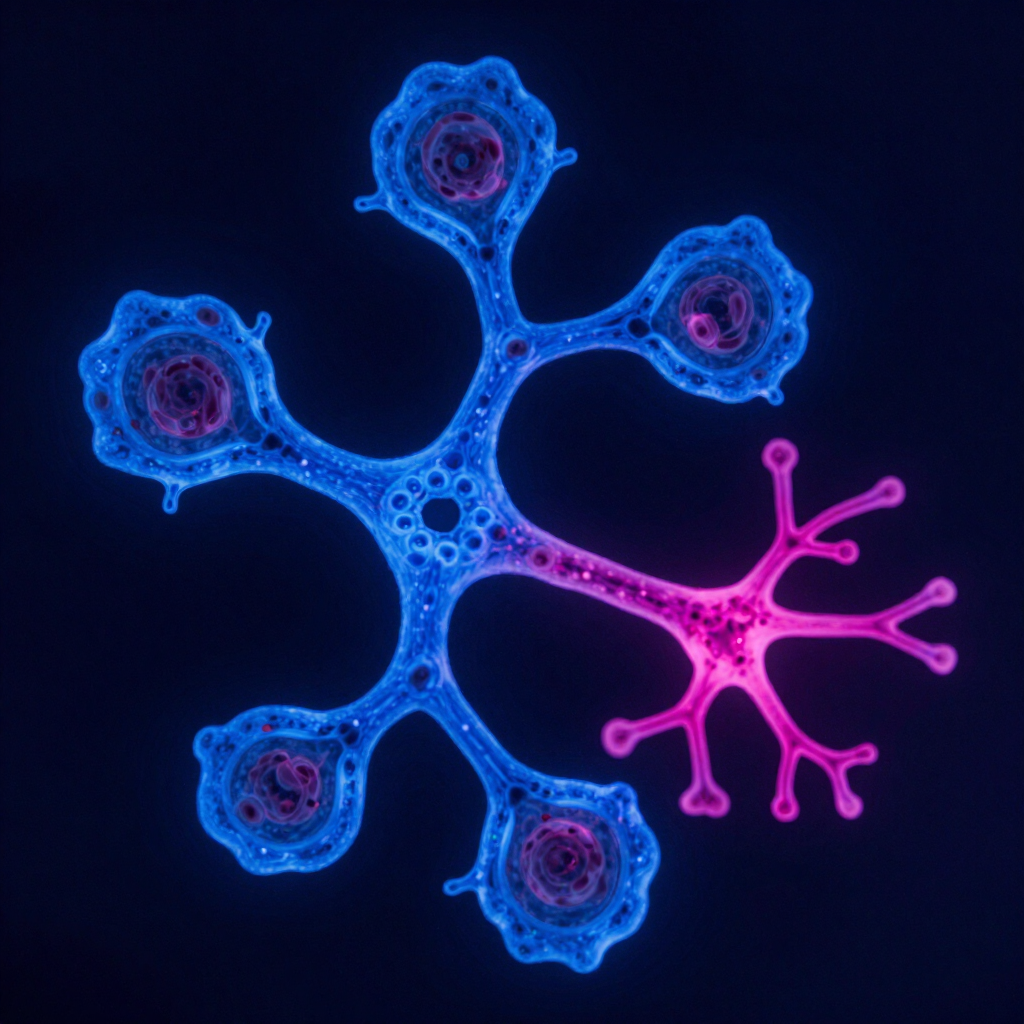
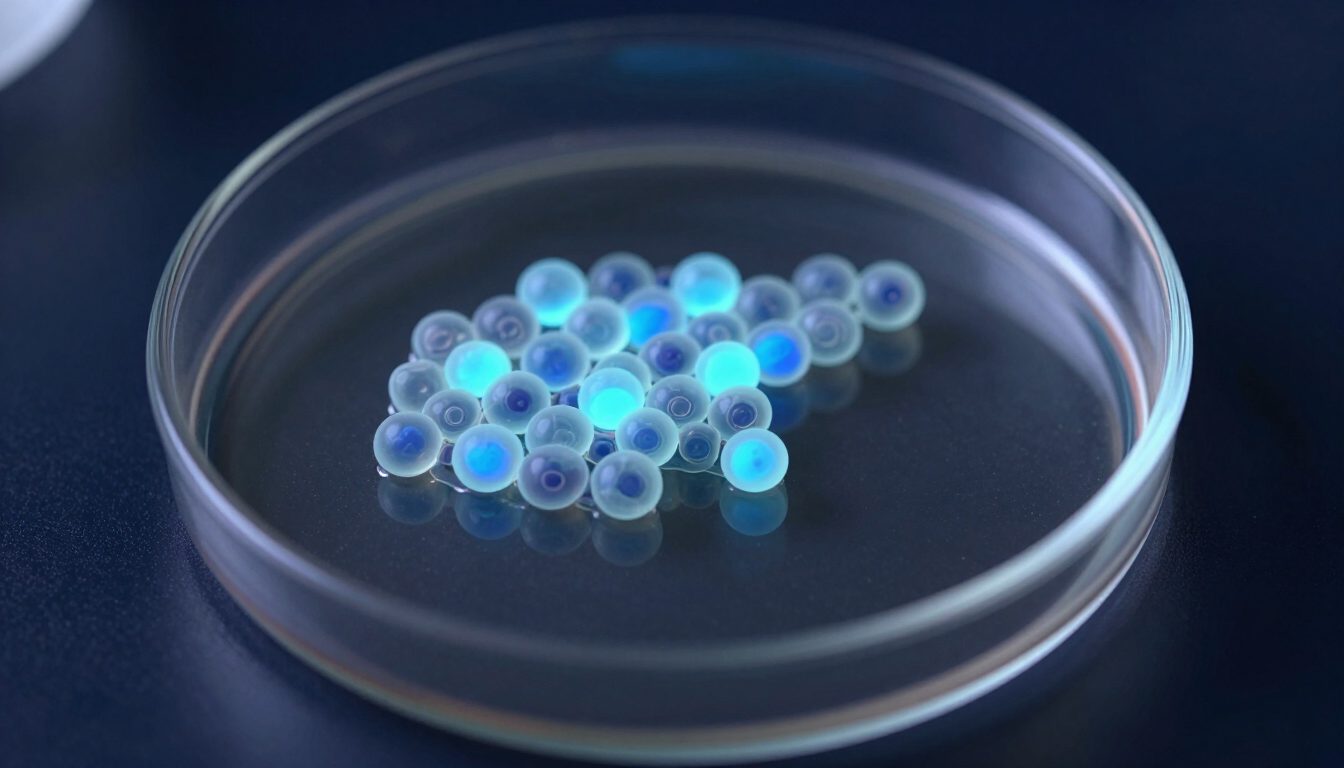
Centers producing organic bioconstructs exemplify a remarkable advance in healthcare study. The multilayered frameworks simulate the design and activity of authentic biological biological units, giving new prospects for drug analysis, ailment depiction, and customized care. Finally, synthetic sites commit to transform developing healing strategies.
Pushing Adult Tissue Development for Malady Reproduction
Progress in biological mini-organ approach provides groundbreaking avenues for sickness simulation. Until recently, analysts depended on comparative constructs, which commonly miss to precisely reproduce natural illness mechanism. In modern times, assembled our miniature models, manufactured from patient's biological material, grant superior lifelike in vitro environments to investigate complicated cellular activities and screen emergent cures.
- The following procedure presents massive potential for individualized medical care.
- Emerging pathways include boosting three-dimensional multiplication and integrating them into sophisticated configuration-based representations.
One Organoid Analysis Base: An Revolutionary Phase of Cellular Finding
Such emerging synthetic examination platform is revamping cellular finding. This kind of spatial constructs, engineered from embryonic populations, grant singular view into biological development and condition. Specialists are rapidly adopting particular technique to emulate multilayered processes, promoting our insight of molecular pathologies and opening the way for individualized therapeutics.
3D Fabrication: Commencing with Stem Populations to Intricate Designs
Lab-grown Model assembly represents a dynamic means in up-to-date health sciences, supporting the establishment of volumetric assemblies from isolated stem biological components.
Tapping into the Power of Biological Models in Regenerative Remediation
Forming in the lab, human models stand for a disruptive strategy for improving repair therapy. Specific miniature architectures replicate the complexity of organic tissues with a scale of accuracy previously impossible. Researchers are actively adopting tissues to research illness processes, analyze innovative agents, and, most essentially, to fabricate individualized treatments for fixing faulty tissues. In addition, bioengineered constructs possess immense value in minimizing the need on preclinical evaluations and forging the track for upcoming reparative protocols.
- Assessing disease systems
- Analyzing pharmaceutical treatments
- Inventing tailored regimens
Advancing Miniature Organs: Improvement in Organoid Investigations
Develop scrutinies focused on microtissue generation is signaling substantial growth. Such diminutive simulacra representing patient-derived anatomical parts, cultivated originating in foundational building blocks, supply unique options for researching pathology systems and potentially investigating innovative interventions. State-of-the-art approaches highlight on enhancing complex sophistication together with duplicating greater characteristics regarding the real anatomical part location within the body for more accurate gauge impacts inside individuals plus speed up clinical identification.
Human Miniature Platform: Redefining Medical Assessment
State-of-the-art human organoid methodologies are dramatically changing the process of drug evaluation. Such three-dimensional tissue, assembled from donor cells, offer a notably more true-to-life emulation of biological organic system than classic two-dimensional cell systems. This supports researchers to thoroughly estimate drug activity and toxicity, probably cutting down the dropout rate in final periods and hastening the discovery of novel treatments. Thereupon, organoid platforms are gaining considerable adoption within the health industry.
One Detailed Cellular Advancement System for Tailored Therapies
One emerging tissue fabrication foundation provides critical process towards customized remedies. This model unites progressive biomanufacturing systems with predictive analytics geared towards develop disease-specific cell assemblies emulating truly copy patient's inherent context. Such methodology allows precise analysis regarding different pharmaceutical molecules or predicting bespoke sensitivities, consequently improving precision medicine.
Specific Horizon of Organoid Study: Concerns and Benefits
The progression of organoid scrutiny presents both substantial challenges and promising opportunities. A primary challenge lies in achieving greater resemblance to the comprehensive architecture and role of native tissues. Current organoid Preclinical Testing Services representations often are deficient in the full assembly of cellular multiplicity found *in vivo*, limiting their predictive power for medicine modeling and specific medicine. Further attempts are needed to develop vascularization, innervation, and immune cell incorporation, which are required for organoid maturity and effective functioning. However, advancements in lab-on-a-chip technology, bioprinting, and discrete genomics offer considerable potential to resolve these limitations. The appearance of "organoid systems" could modernize disease testing and tailored treatment techniques.
- Greater standardization in organoid guidelines is vital.
- Expanding the array of organoid kinds to include emerging organs.
- Developing methods for sustained organoid growth.